
Proofing is when yeast dough rises, and it is the secret to soft, fluffy cinnamon rolls. Get it right and your rolls bake up light and pillowy. Rush it and they turn out small and dense. Here is how to proof cinnamon rolls perfectly.
Watch: How to Proof Cinnamon Rolls in 30 Seconds
In this article
First Rise vs Second Rise
| First rise | Second rise | |
|---|---|---|
| When | After kneading the dough | After shaping the rolls |
| Time | About 1–1½ hours | About 30–45 minutes |
| Ready when | Dough has doubled in size | Rolls are puffy and touching each other |
The Best Place to Proof Dough
Yeast loves warmth. A warm, draught-free spot around 24–27°C is ideal. If your kitchen is cold, try one of these:
- Oven with the light on. Keep the oven switched off and just turn on the light.
- Oven with hot water. Place a tray of just-boiled water on the bottom shelf of the switched-off oven.
- Near a warm spot. Somewhere warm, but never directly on a heater or in hot sun.
The Poke Test
Lightly flour your finger and press it gently into the dough, about 1 cm deep:
- Springs back quickly: not ready yet, so give it more time.
- Springs back slowly and leaves a small dent: perfectly proofed and ready.
- Doesn’t spring back at all: it may be over-proofed, so bake it straight away.
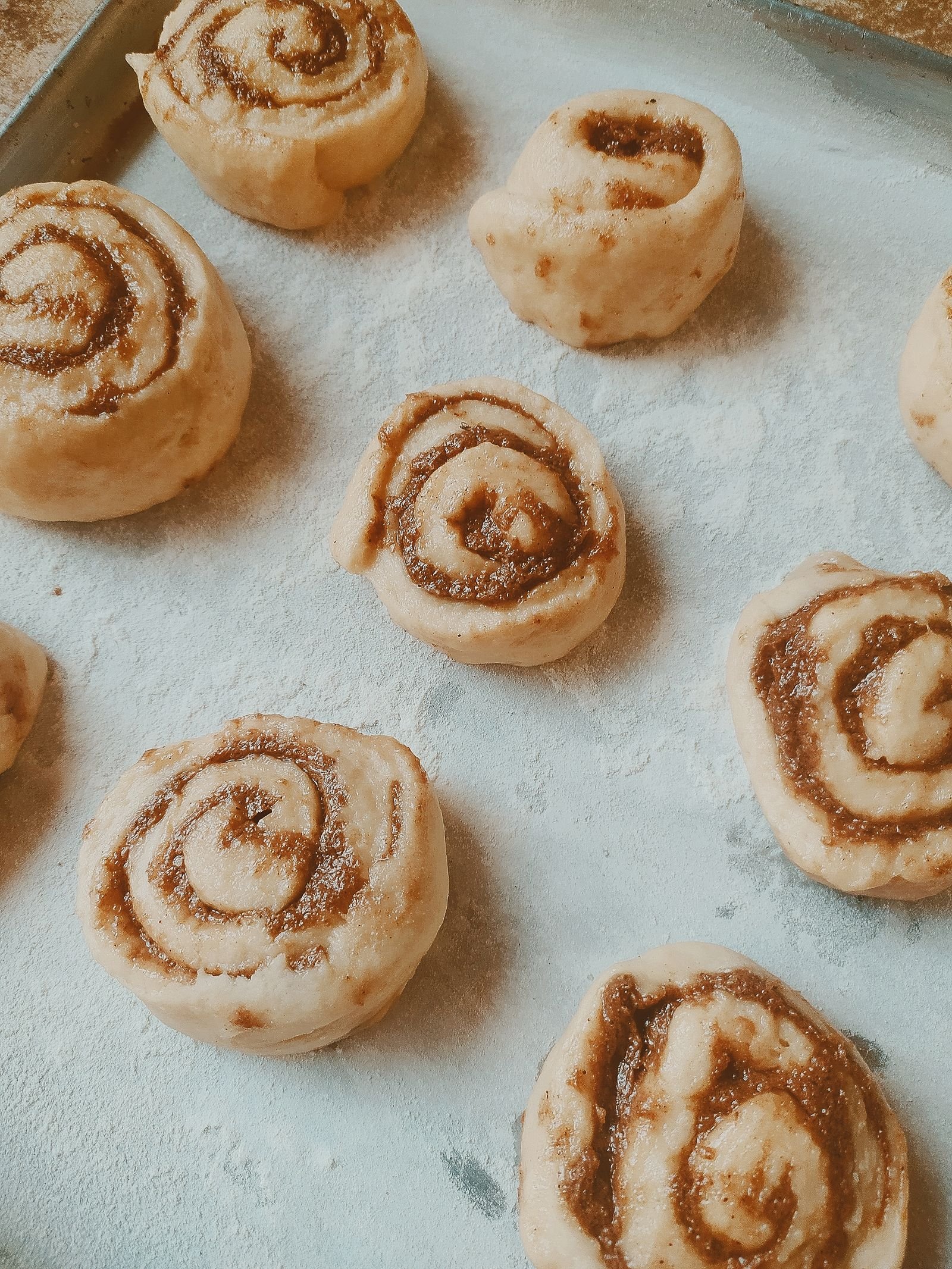
Signs of Under-Proofed Rolls
The rolls look small and tight, bake up dense and may burst open at the sides. Next time, give them a little longer or a warmer spot.
Signs of Over-Proofed Rolls
The dough looks very puffy, may smell strongly of yeast and can collapse in the oven. Watch the dough rather than the clock, especially in hot weather.
Overnight Proofing
You can slow down the second rise by covering the shaped rolls and putting them in the fridge overnight. In the morning, leave them at room temperature for about an hour until puffy, then bake. It is a great way to enjoy fresh cinnamon rolls for breakfast.
How to Proof Cinnamon Rolls in a Cold Kitchen
In winter, dough can take much longer to rise. Don’t worry: it is not ruined, just slow. Try these tricks:
- Put the covered bowl inside the switched-off oven with the light on.
- Place a tray of just-boiled water on the bottom shelf of the oven to create warm, steamy air.
- Use slightly warmer milk in the dough, about 40°C, but never hot.
- Give it extra time. A rise that takes 1 hour in summer can take 2 hours in winter.
In hot weather, the opposite happens and dough rises very fast, so start checking it early.
How to Proof Cinnamon Rolls: Times at a Glance
| Kitchen temperature | First rise | Second rise |
|---|---|---|
| Cool (18–21°C) | 1½–2 hours | 45–60 minutes |
| Warm (24–27°C) | 1–1½ hours | 30–45 minutes |
| Hot (above 30°C) | 45–60 minutes | 20–30 minutes |
| Fridge (overnight) | — | 8–12 hours, then about 1 hour at room temperature |
These times are a guide. Always check the dough with the poke test.
What Affects Proofing Time?
- Yeast: old or expired yeast works slowly, or not at all.
- Sugar and butter: rich, sweet doughs like cinnamon rolls rise more slowly than plain bread dough.
- Dough temperature: warm ingredients give a faster start.
- Humidity: covered dough in a humid spot stays soft and rises evenly.
Once you learn to read your dough, you will get soft, fluffy cinnamon rolls every single time.
Frequently Asked Questions
How long should cinnamon rolls rise?
Usually 1–1½ hours for the first rise and 30–45 minutes for the second, but it depends on the warmth of your kitchen. Always look for the signs rather than relying only on time.
Why is my dough not rising?
The yeast may be old, the liquid may have been too hot, or the kitchen may be too cold. Use fresh yeast and warm, not hot, milk.
Should I cover the dough while it proofs?
Yes. Cover it with cling film or a damp tea towel so the surface does not dry out.
Ready to Bake?
Put your proofing skills to work with our caramel cinnamon rolls or our classic soft and fluffy cinnamon rolls.
More cinnamon roll techniques
Learn everything you need for soft, gooey, perfectly swirled rolls.