Use strong bread flour
Higher protein flour builds more gluten for a better rise and chew.

Learn the basics of yeast dough, from kneading and proofing to shaping and baking, and bake soft, crusty homemade bread with confidence.
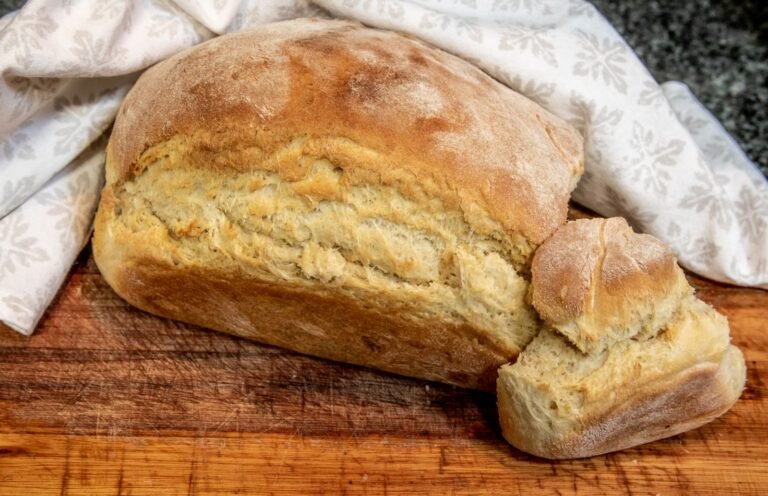 Freshly baked
Bread needs only four ingredients: flour, water, yeast and salt. What turns them into a golden, airy loaf is technique: building gluten through kneading, giving the yeast time to work and baking in a properly hot oven.
Once you understand how dough behaves, you can bake everything from sandwich loaves and dinner rolls to pizza bases and cinnamon rolls.
With love, from the Mellobake kitchen

Keep these eight simple rules in mind and your bakes will improve straight away.
Higher protein flour builds more gluten for a better rise and chew.
Hydration matters. A scale gives you the same dough every time.
Use fresh yeast and water around 38–40°C to wake it up.
Knead 10 minutes until the dough passes the windowpane test.
A warm, draught-free spot helps dough rise evenly.
Tighten the surface of the dough when shaping for a taller loaf.
Start hot, around 220°C, for a good rise and crust.
Bread keeps cooking as it cools; slicing too early makes it gummy.
Something went wrong? Find the problem below and the simple fix for next time.
The fix: Old yeast, water too hot or a cold kitchen. Test your yeast and find a warmer spot.
The fix: Under-kneaded or under-proofed dough. Knead longer and let it rise until doubled.
The fix: It was over-proofed. Bake when a gentle poke springs back slowly.
The fix: The oven was not hot enough. Preheat fully and add steam for a crisp crust.
The fix: The loaf was underbaked or sliced while hot. Bake until it sounds hollow and cool fully.
Everything you need at a glance. Print it and keep it in your kitchen.

Learn the basics of yeast dough, from kneading and proofing to shaping and baking, and bake soft, crusty homemade bread with confidence.
Stretch a small piece of dough between your fingers. If it stretches thin enough to let light through without tearing, the gluten is well developed.
Yes, but bread flour has more protein and gives a taller loaf with a chewier crumb.
It should roughly double in size. Press it gently; if the dent slowly springs back, it is ready.
Usually the dough was not kneaded or proofed enough, or too much flour was added.
Bake in a very hot oven and add steam by placing a tray of hot water on the bottom shelf for the first 10 minutes.
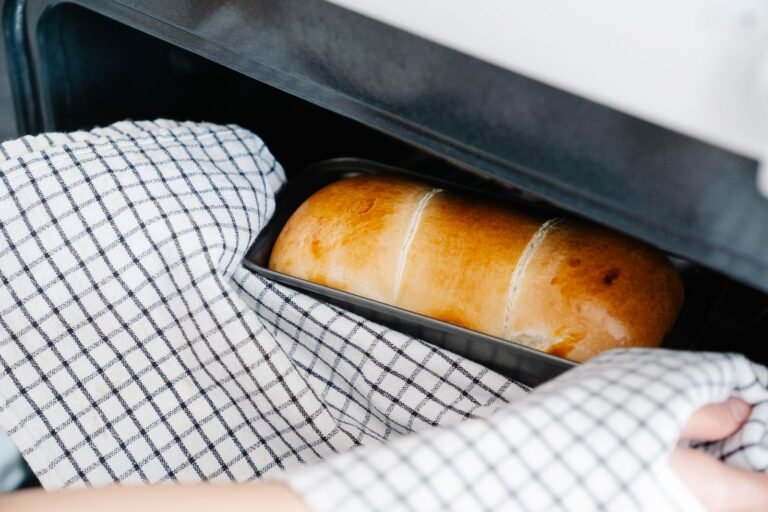
The smell of bread baking fills the whole house with warmth.
Slice it warm with butter, use it for sandwiches or share a loaf with neighbours.
“Bread is the warmest, kindest of words.”